Description
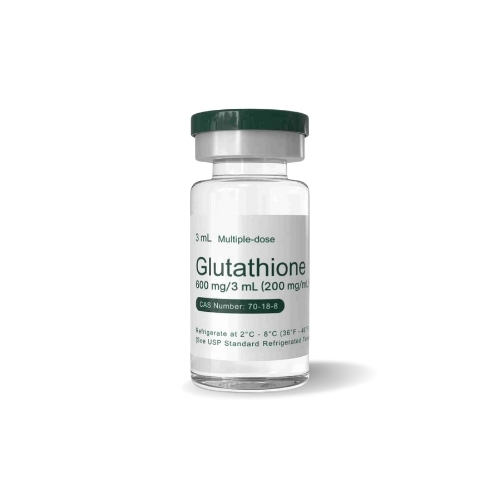
Glutathione (γ-L-Glutamyl-L-Cysteinyl-Glycine) is the body’s master intracellular antioxidant, a tripeptide composed of glutamine, cysteine, and glycine. Found in every cell, it plays a critical role in protecting against oxidative stress, supporting detoxification, and maintaining immune homeostasis.
Mechanism of Action
-
Acts as a redox buffer in cytoplasm and mitochondria, neutralizing free radicals and maintaining oxidative balance
-
Recycles other antioxidants such as vitamins C and E
-
Works with glutathione peroxidase and reductase enzymes to support detoxification pathways in the liver
-
Protects mitochondrial DNA and cellular proteins from oxidative damage
-
Modulates immune function and mitigates inflammation
-
Restoration of glutathione levels is crucial in research involving aging, oxidative stress, inflammation, and toxin exposure
Dosage Guidelines (Research Use)
Subcutaneous (SC) Injection:
-
Dose: 100–600 mg per injection
-
Frequency: 1–3 times per week
-
Treatment Duration: Several weeks to months, depending on experimental objectives
Intravenous (IV) Injection:
-
Dose: 600–1,200 mg per session
-
Frequency: 1–2 times per week
-
Treatment Duration: Varies according to research protocol and response
Note: Dosage may be adjusted slightly for practical administration purposes; minor variations are not expected to significantly affect outcomes.
Important Notes
-
Designed for laboratory research use only
-
Not intended for human or animal consumption or medical use
-
Maintain storage conditions and handle under standard laboratory peptide protocols
Useful Information
-
Class: Tripeptide antioxidant / cellular detoxification cofactor
-
Category: Metabolic & Longevity Peptides
-
Primary Research Focus: Cellular protection, detoxification, oxidative stress reduction, immune support

Reviews
There are no reviews yet.